Provider Blog / Helping with Osteoporosis Awareness & Prevention
May 14, 2026
Helping with Osteoporosis Awareness & Prevention
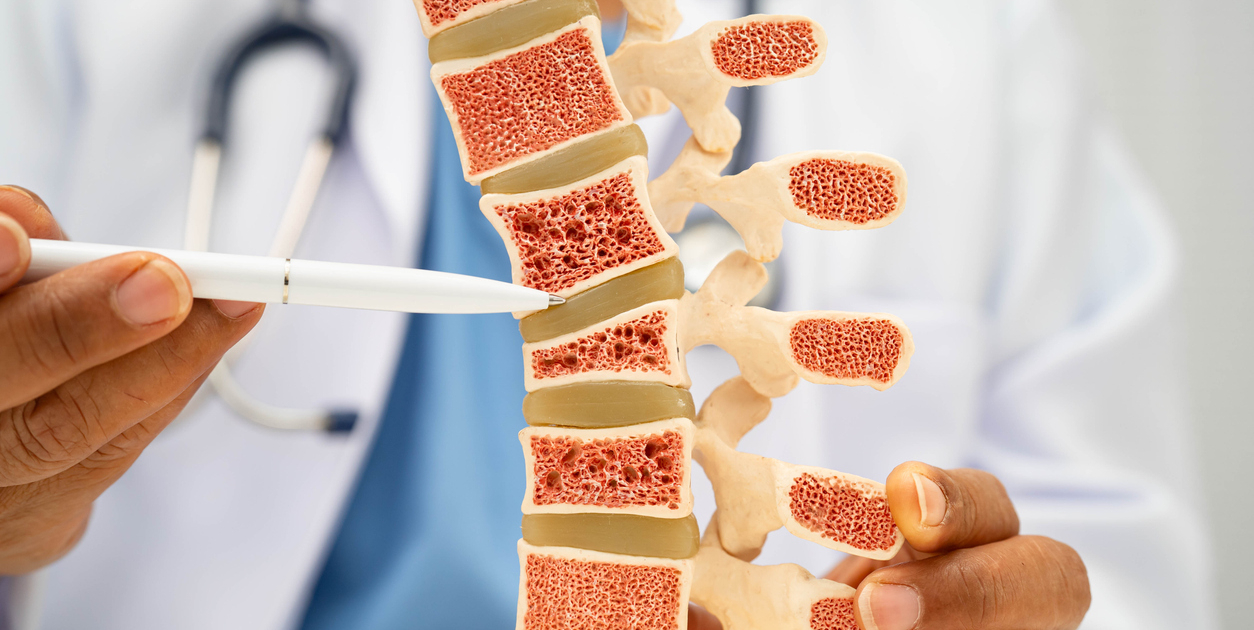
Osteoporosis is a chronic metabolic bone disease characterized by low bone mineral density (BMD), which increases fracture risk. Patients are usually unaware they have osteoporosis until a fracture occurs, usually in the hip, spine, and/or wrist. It is more common in postmenopausal women but can affect men and women of all ages.
After one osteoporotic fracture, patients have an increased risk of subsequent fractures, with significant morbidity, mortality, and healthcare costs. Early identification and treatment are clinically effective and improve patient outcomes.
What Providers Can Do
Providers are essential to closing osteoporosis care gaps through proactive screening and counseling. May is Osteoporosis Awareness & Prevention Month, so here’s a list of ways you can screen and counsel your patients regarding osteoporosis.
Screening:
-
- DXA screening for all women ≥65 years
- Postmenopausal women <65 years with risk factors (prior fracture, low BMI, smoking, long‑term glucocorticoid use)
Lifestyle Counseling:
-
- Encourage weight‑bearing and muscle‑strengthening exercise
- Address fall‑risk factors, smoking cessation, and alcohol moderation
- Counsel on meeting recommended calcium and vitamin D intake to support bone health and pharmacologic therapy effectiveness
Education:
-
- Reinforce that fractures after minimal trauma are not normal aging and warrant osteoporosis evaluation
Diagnosis, Treatment & HEDIS® OMW Alignment
Diagnosis:
-
- Osteoporosis may be diagnosed by DXA (T‑score ≤ –2.5) or by history of fragility fracture, regardless of BMD
Treatment:
-
- Bisphosphonates are first‑line therapy for most patients
- Alternative agents (e.g., denosumab, anabolic therapies) may be appropriate for high‑risk or intolerant patients
HEDIS® OMW (Osteoporosis Management in Women Who Had a Fracture):
-
- Women 67–85 years with a qualifying fracture
- Measure met when DXA testing or osteoporosis medication is completed within 180 days (6 months) post‑fracture
- Excludes fractures of finger, toe, face, and skull
- Timely fracture follow‑up directly improves outcomes and quality scores
Documentation:
-
- Ensure testing, prescriptions, and patient counseling are clearly documented to close quality gaps
Sources
- HEDIS® OMW Measure Description
- Osteoporosis Screening (2025)
- Osteoporosis Prevention & Treatment Guidelines
- Osteoporosis Prevention, Screening, & Diagnosis
- International Osteoporosis Foundation
- Prevention & Treatment of Osteoporosis
- Osteoporosis Practice Bulletin
- American College of Physicians
- Osteoporosis Management in Women Who Had a Fracture