You’ve probably heard that it’s important to stay hydrated. That’s because water helps just about everything—aids digestion, lubricates joints, makes saliva, delivers oxygen, cushions bones, and more.
While most people associate dehydration with hot, humid, summer months, you can also become dehydrated during the winter or when you’re sick. If you lose even as little as 1.5 percent of your body’s water, you can feel symptoms of dehydration.
You can lose water through sweating, urination, vomiting, and diarrhea. Taking diuretics cause you to lose water through increased urination.
Symptoms to watch for
Dehydration can sneak up on you because many of the symptoms may seem minor or unrelated. Some common symptoms include:
- Tiredness
- Weakness/dizziness
- Headache, confusion
- Dry mouth/dry cough
- Flushed skin
- Muscle cramps
- Dark-colored urine
- Constipation
- Loss of appetite
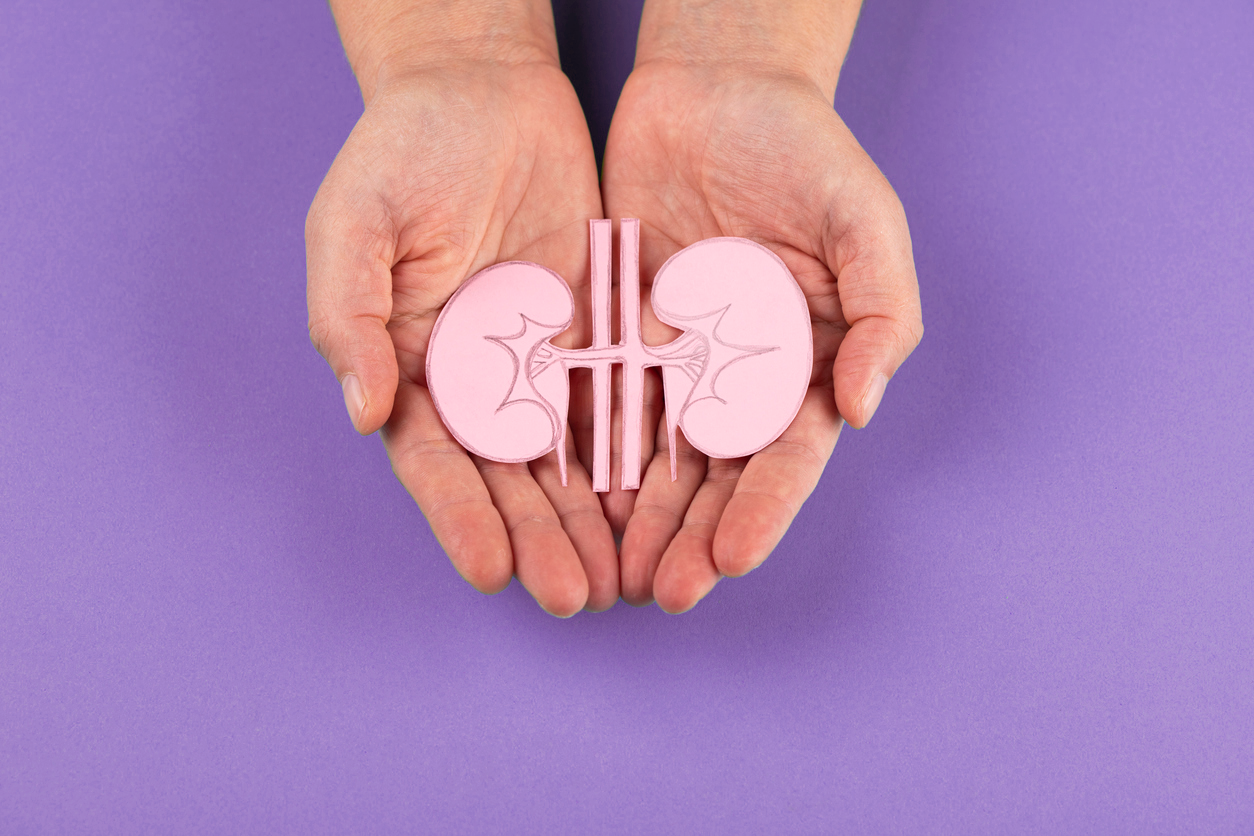
Dehydration makes you feel tired, weak, and sometimes dizzy. You may also get a headache. It puts stress on your kidneys and other organs, it causes urinary tract infections and kidney stones, and it can disrupt temperature regulation, leading to heat illness or even heat stroke.
Often, you don’t feel any symptoms from dehydration until it is moderate or severe, and even then, the symptoms are so vague you might not realize the source.
It’s important to remember that by the time you feel thirsty, you’re already significantly down on your fluid level. You might notice less frequent urination, but medications can sometimes alter the body’s normal reactions, so do not depend on this as a sign. The color of your urine can help determine your hydration level in many cases. During the day, your urine should be almost clear and colorless like water if you’re drinking enough fluids. (Some supplements and vitamins can change urine color, so this is not always a reliable indicator.) If your urine is dark yellow, orange, or even the color of tea, this can be a warning sign to drink more. If accompanied by dizziness, weakness, or confusion, you may need medical attention.
How much fluid is enough?
So, how much fluid do you need? This really depends on your overall health, your activity level, your exposure to hot or humid conditions, and the medications you take. On average, men need at least 15-16 cups (120-128 ounces) daily and women need 11-12 cups (or 80-96 ounces.).
Although water is the mainstay of hydration, electrolyte levels can suffer in extreme conditions, so be sure to get some potassium as well, unless you’re on a potassium-restricted diet. Foods such as tomatoes, citrus, potato skins, bananas, and peaches are all good sources. There are also sports drinks available that contain extra electrolytes, but these can be high in sodium, sugar, and sometimes calories.
As you get older, you may not be as thirsty, but it’s still important to drink water. If you’re caring for someone with dementia, it’s especially important to encourage them to drink water throughout the day.
Here are some tips for staying properly hydrated:
- Keep a water bottle with you—drink, refill, repeat!
- Choose water instead of sugary drinks.
- Don’t wait until you’re thirsty to drink.
- If you don’t like the taste of water, try adding flavor with fresh fruit.
- Eat more fruits and veggies—watermelon, strawberries, cantaloupe, pineapple, peaches, cucumbers (also good sliced in water), leafy greens, celery, zucchini, tomatoes, and radishes.
- Eat broth-based soups.
- Break out the popsicles. There are lots of healthy, low-sugar options out there.
- Use technology. There are free apps that track your water intake and remind you to drink throughout the day. Or you can set a timer that goes off each hour to remind you to take a drink.
As always, if you have conditions such as heart problems or kidney disease, talk with your doctor about how much fluid you should have daily.